The Psychology Behind High-Converting Pricing Pages: Strategies for Optimal Design
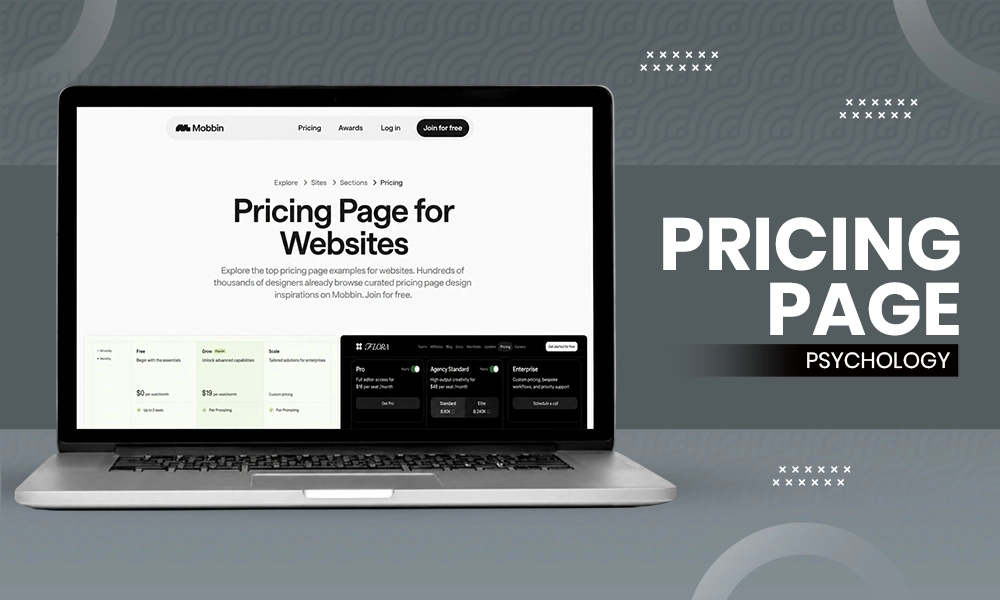
In the competitive landscape of online commerce, the way a pricing page is designed can be the deciding factor between gaining a new customer and losing a potential sale. The best pricing pages are intuitive, build trust, and guide visitors toward making a confident purchase decision. Leveraging psychological principles within your pricing page can greatly enhance both user experience and conversion rates, as users are more likely to buy when the pricing presentation feels fair and straightforward.
An effective pricing design should communicate value, simplify choices, and reduce purchase barriers. Clear pricing tiers and transparent information help customers make confident decisions while minimizing confusion and decision fatigue. By combining smart design, psychological principles, and mobile-friendly layouts, businesses can build trust, increase conversions, and drive long-term growth.
Key Takeaways
- Three-tier pricing simplifies decision-making and can boost conversions.
- The decoy effect nudges customers toward higher-value plans.
- Transparency and clarity in pricing foster trust and reduce abandonment.
- A mobile-friendly approach ensures seamless access for all users.
The Power of Three-Tier Pricing Structures
Simplified choices can create a profound impact on conversions. Implementing a three-tier pricing structure has been shown to convert significantly better than more complex options because it narrows the customer’s focus and reduces decision-making stress. Presenting three well-differentiated options helps guide users without overwhelming them. A three-tier approach converts roughly 31 percent better than those using a broader range of choices. This finding underscores the importance of clarity; users do not want to navigate a maze just to make a purchase.
Leveraging the Decoy Effect for Profitability
The decoy effect, known as asymmetric dominance, involves introducing a third, less desirable price point to steer customers toward higher-value options. By carefully designing a middle or “decoy” option, businesses can nudge buyers toward plans with the highest perceived value. For example, adding a mid-tier plan that is only slightly more expensive than the entry tier but offers substantially more value can make the higher plan seem much more reasonable by comparison. This effect is widely used by top digital companies and studied in behavioral economics for its effectiveness in driving more profitable purchases.
Ensuring Transparency and Clarity in Pricing
Transparency is one of the core pillars of a high-performing pricing page. Potential customers quickly lose trust when faced with hidden charges, vague plan details, or unexpected fees at checkout. Studies published in resources such as Forbes indicate that nearly one in five shoppers abandon their carts due to a confusing or unclear checkout process. Making all fees, renewal costs, and billing cycles visible from the start reassures customers they’re making a well-informed purchase, increasing the likelihood of a completed sale.
Optimizing Pricing Pages for Mobile Users
With a large proportion of shopping and business conducted on smartphones and tablets, responsive design has become non-negotiable. Mobile optimization ensures that pricing tables, feature comparisons, and call-to-action buttons are simple to interact with, regardless of screen size. Recent case studies show that websites that adapted their pricing pages for mobile users saw conversion rates rise by as much as 19 percent. This uptick reflects the critical need to accommodate users wherever they engage, reducing friction and improving the overall experience.
Utilizing Anchoring Techniques to Influence Perceptions
Anchoring is a psychological bias often used in pricing pages to make certain plans appear more attractive. By placing a premium, higher-priced plan first, visitors subconsciously use it as a reference point, making subsequent tiers appear more affordable. This subtle cue encourages buyers to select mid-tier packages that balance value and cost, increasing satisfaction and conversion rates. It’s a powerful visual trick that can make your pricing structure work harder for you.
Highlighting the Most Popular Option to Leverage Social Proof
Strategically highlighting a “Most Popular” or “Best Value” plan taps into social proof, a powerful motivator in human psychology. Shoppers often look to others when confronted by uncertainty, preferring solutions that appear to have been vetted by many. By drawing attention to a preferred plan using color, borders, or subtle labeling, companies help reassure hesitant customers and streamline the decision-making process. This approach not only increases conversions on the highlighted plan but also provides guidance, reducing indecision.
Providing Clear and Concise Feature Comparisons
Customers expect to understand what they’re getting for their money. An effective pricing page visually distinguishes the value and limitations of each plan. Rather than overwhelming users with lengthy lists, focus on the most compelling benefits and differentiators. Clear side-by-side tables allow users to quickly compare and contrast, building confidence in their choice. Well-crafted comparisons, supported by succinct explanations, play a critical role in reducing confusion and fostering trust.
Conclusion
A persuasive pricing page is a blend of psychology and clear communication. Employing tactics such as structured three-tier pricing, the decoy effect, transparency, mobile readiness, anchoring, social proof cues, and concise feature comparisons creates a foundation of trust and simplicity. Companies that continually test, refine, and respond to analytics and customer feedback stay ahead in the ongoing quest to convert visitors into loyal customers. Success lies in anticipating user needs and structuring pricing information to answer questions and build confidence from the very first click.

- Key Takeaways
- The Power of Three-Tier Pricing Structures
- Leveraging the Decoy Effect for Profitability
- Ensuring Transparency and Clarity in Pricing
- Optimizing Pricing Pages for Mobile Users
- Utilizing Anchoring Techniques to Influence Perceptions
- Highlighting the Most Popular Option to Leverage Social Proof
- Providing Clear and Concise Feature Comparisons
- Conclusion