From Impressions to Conversions: A Simple Guide to Measuring Trade Show Exhibit Success
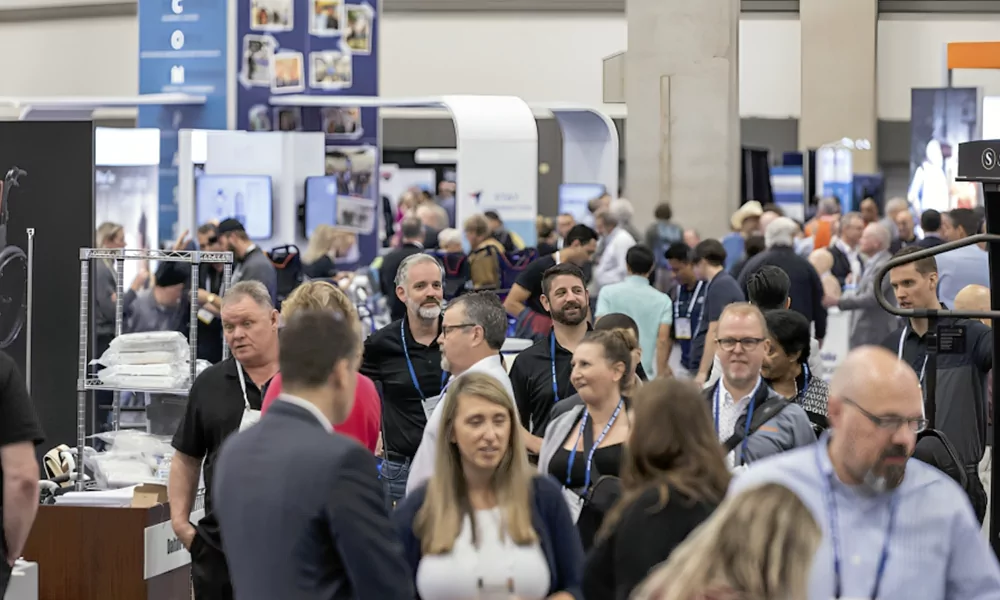
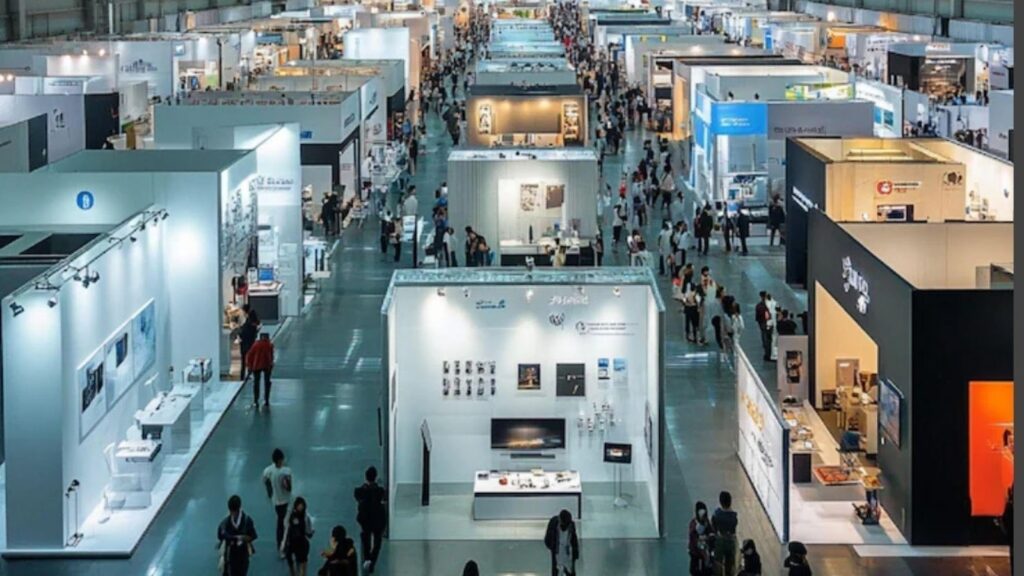
Trade shows are still considered one of the strongest media for face-to-face brand communication, as they provide businesses with an unusual opportunity to meet prospects, partners, and industry colleagues. Nonetheless, visibility is not a success criterion. Many booths draw attention but fail to translate interest into value. For companies that make custom builds or trade show rental booths, it becomes vital to learn how to gauge performance beyond the surface.
Specific measures, focused goals, and organized appraisal schemes make trade show involvement a cost, rather than a growth engine. Effective measurement of success is a guarantee that each exhibit choice design, layout, staffing, or technology decision creates a measurable business impact as opposed to a temporary exposure.
Five Key Ways to Measure Trade Show Exhibit Success
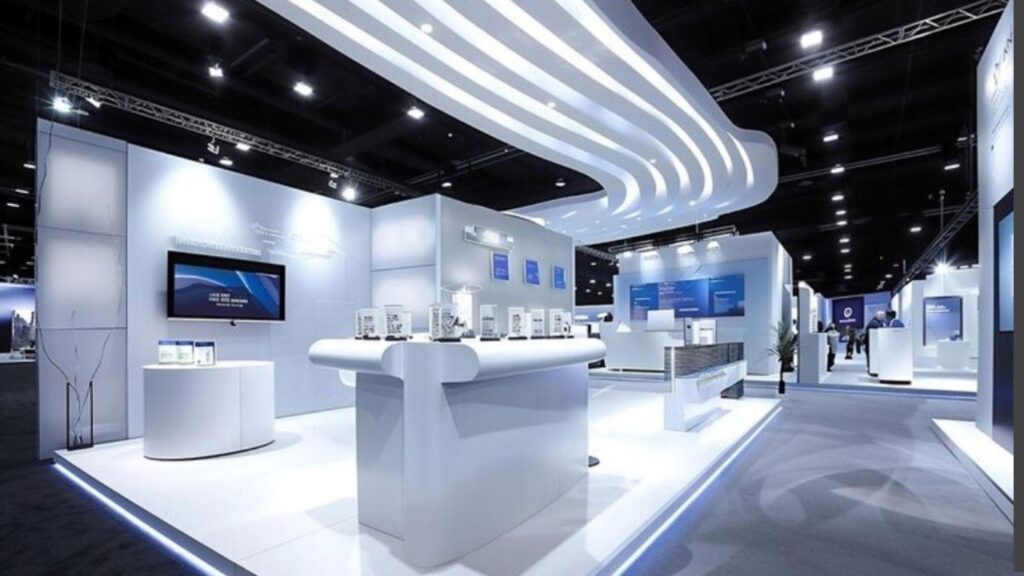
1. Track Engagement Quality, Not Just Foot Traffic
Raw visitor counts provide only a partial view of a booth’s performance. When there is high foot traffic, it may be due to a strong visual appeal, but the quality of interactions is the best indicator of success. Exhibitors are increasingly evaluating the time visitors spend in the booth, which spot attracts the most attention, and how many meaningful conversations take place.
Brands that make use of used exhibits can be characterized in terms of increased engagement over spectacle, making layout refinements to promote dialogue and discovery. Dwell time, depth of interaction, and repeat-visit measurements underscore how the exhibit design and messaging appeal to the target audience. These factors indicate whether the booth environment has been effective in transitioning the visitors who are merely interested to those who are actually interested.
2. Measure Lead Quality and Conversion Readiness
Not every lead is equal, and lead quality is an important measure of success. Measuring well identifies casual inquiries and high-intent prospects aligned with the business’s goals. Assigning labels to leads by role, industry, buying power, and willingness to do business after the event provides insight into the performance of the exhibits.
Naturally, high-performing exhibits filter the audience by displaying transparent value propositions and unified messages. Tracking the number of leads that go to post-event meetings, demos, or proposals can help gauge the booth’s effectiveness in supporting conversion objectives. A close fit between exhibit design and the ideal customer profile always translates into high-quality leads and strong downstream performance.
3. Analyze Brand Recall and Message Retention
The performance of trade shows also depends on how well visitors recall the brand and its main message upon leaving the show. The brand recall may be measured through post-event surveys, follow-up messages, or social engagement analysis. Measures such as email response and open rates, and website visits resulting from the event, indicate whether the messaging has had a lasting impact.
Successful exhibits also tell a narrow story rather than bombarding visitors with too much information. Retention is enhanced by a clear visual hierarchy, concise messaging, and consistent branding. Measuring recall will verify that the exhibit conveys value to the extent of making future decisions outside of the show floor.
4. Evaluate Cost Efficiency Against Outcomes
The ROI involves the balancing of results with the overall costs. The measurement of success includes evaluation of how exhibit-related costs, design, fabrication, logistics, staffing, and promotions pay off in comparison to value created in relation to leads, partnerships, or revenue opportunities.
Being cost-efficient does not mean reducing investment, but rather allocating it optimally. Long-term efficiency is commonly enhanced by modular designs, flexible structures, and reusable components because they will lower the cost of repeating the same construction. Comparing cost per qualified lead or cost per conversion across many events provides a realistic benchmark for evaluating exhibit performance and making future investment decisions.
5. Track Post-Event Momentum and Long-Term Impact
Trade show success can be best determined upon its completion. The after-exhibit activity, including follow-up meetings, contract discussions, content downloads, and pipeline expansion, can help assess the exhibit’s effectiveness in supporting long-term business goals.
Regular post-event monitoring would help make trade shows part of a growth strategy rather than isolated incidents. Trade show exhibitions that sustain interest weeks or months after the show indicate an excellent fit between the in-person experience and increased sales and marketing activities. Long-term impact measures are the best measure to exhibit success.
End Point
The measure of the trade show exhibit’s success needs to shift from surface-level metrics to meaningful performance indicators. Quality of engagement, lead preparation, brand recall, economy, and post-event momentum are elements that constitute a complete evaluation framework. Exhibits are used as conversion equipment when success is calculated strategically instead of a short-term on-site exhibition. Trade show investments are a sure way to produce quantifiable returns and long-term business growth, as they emphasize results rather than impressions.

Internet, Technology & Social Media Expert